Personal Review
My take on this trail.
The Ride
The main trail is a 12 km out-and-back on flat, smooth asphalt — about as forgiving as a ride gets in this city. There are a few sections where the surface roughens up, and the occasional speed bump keeps things honest, but for the most part you can cruise and take it all in. If you're a mountain biker, there are single-track routes along the south fork worth exploring — rougher, narrower, and a completely different character from the main path.
About halfway to the lighthouse, you'll cross a floating bridge. Dismount here. I mean it. Lean on the railing for a minute and look down. The water is right beneath you, and on a calm day the reflections alone are worth the stop. It's one of those quiet moments that a ride like this gives you if you're paying attention.
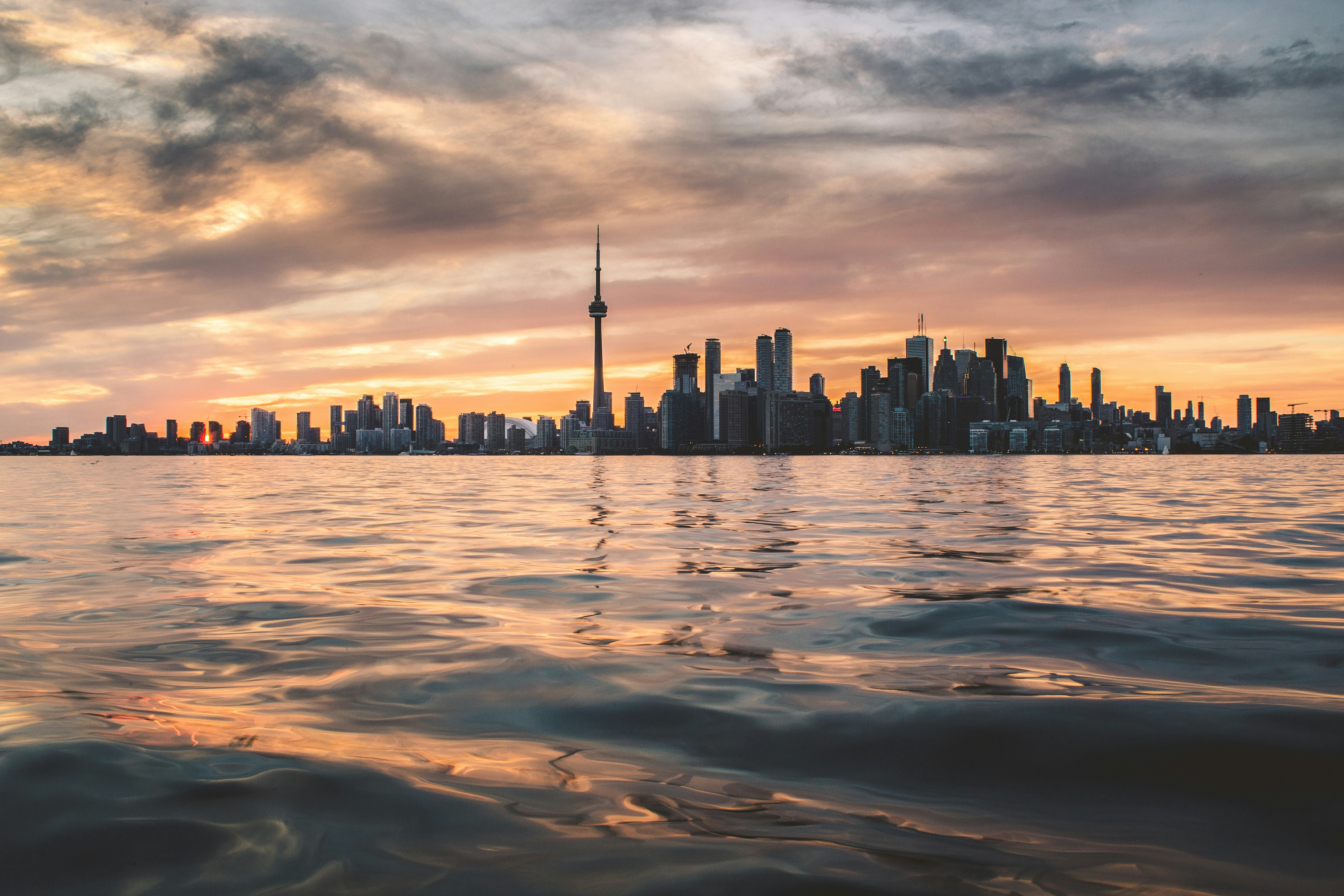
The trail ends at an old lighthouse from 1974, surrounded by hills of discarded bricks that visitors have stacked and arranged into sculptures, arches, and little towers. It's this constantly evolving open-air art installation that nobody planned and nobody manages. People just keep building. Behind you, the Toronto skyline stretches across the horizon in what is, without exaggeration, the best view of the city I've found. It hits differently from out here. You see the whole thing at once, framed by open sky and lake water, and it reminds you how dramatic this city actually looks when you're far enough away to take it in.
What You'll See
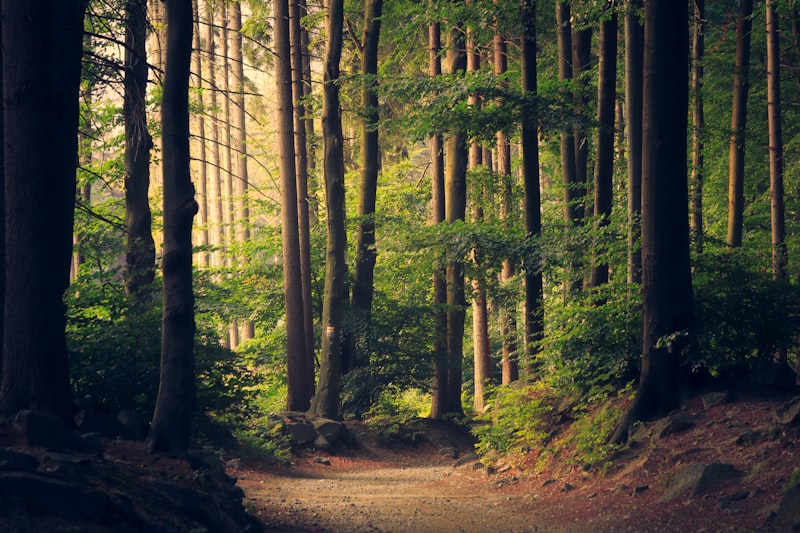
The first time I biked Tommy Thompson Park, I hit a stretch about halfway down the spit where the tree canopy opened up, the lake spread out flat and endless to my left, and the skyline sat small and quiet behind me. It was the middle of the city, and I couldn't hear a single car. Just wind, water, and a cormorant cutting low across the surface. That's the moment that sold me. That's the moment I come back for.
Over 300 species have been recorded in the park, and you will encounter wildlife. Not might — will. Turtles sunning on logs. Snakes slipping through the underbrush. Swallows diving overhead. I've spotted minks, foxes, frogs, beavers — and the cormorant colonies are massive, whole dead trees white with nests, branches stripped bare and angled against the sky like driftwood sculptures. It's not a zoo. You're moving through their space, and you feel it. There's a different kind of quiet out here — the kind where you're the visitor and you know it.
Year-Round, But...
Most people think of Tommy Thompson as a summer spot, but the off-season is something else entirely. Autumn turns the whole spit into burnt orange and deep red — the kind of colour that makes you ride slower just to stay in it. In winter, the lake freezes into jagged, crystalline sheets along the shore, and the silence out there is almost unreal. The wind comes off the water with nothing to stop it, and if you're the only one on the trail, it feels like the edge of the world.
Just remember: the park has seasonal access hours, so check before you go. Being turned away at the gate is the worst possible ending to a ride this good.
Worth Knowing
The thing that makes this trail different from every other trail in the city
This whole place was a landfill. Construction rubble, dredged sediment, concrete — the city dumped it here for decades, starting in the 1950s. The plan was to build a massive port terminal. That never happened. And then nature just... took it. Slowly, stubbornly, completely. What was supposed to be an industrial wasteland became a thriving ecosystem — wetlands, meadows, forests, hundreds of species of birds and animals making it home. Nobody designed this. Nobody planted the trees or introduced the wildlife. The wilderness showed up on its own and refused to leave.
That's what I think about when I'm biking the spit. Every pedal stroke, every bird call, every stretch of forest you pass through exists because nature decided this place belonged to it, not to the dump trucks.
You're riding through proof that nature doesn't need our permission.