Personal Review
My take on this trail.
The Ride
Here's the thing about the Lower Don Valley Trail — it's the ride I recommend to every single person who asks me where to start cycling in Toronto. Not because it's the most dramatic trail in the city. Not because it's the longest or the wildest. But because within five minutes of dropping in, it completely rewires what you think Toronto is.
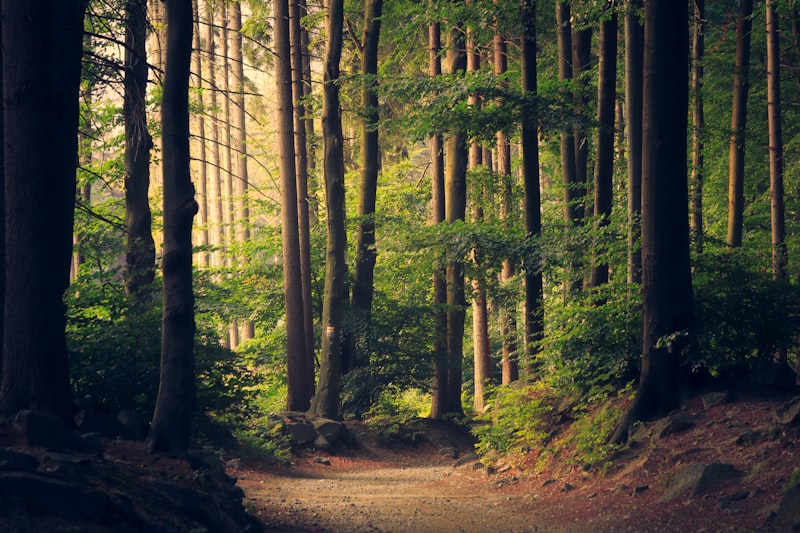
You pick it up around Pottery Road, descend past the old brickworks, and suddenly you're inside a ravine. A real, proper, steep-walled ravine. Trees closing in overhead, the Don River running beside you, and the traffic noise just... gone. It's paved, it's flat, and it's wide enough that you never feel rushed, even when joggers and other riders are sharing the path. The sound of the river does most of the talking down here.
The trail passes under a series of concrete underpasses — Bloor Viaduct, the DVP overpasses — and these are actually some of my favourite moments. They're a little narrow, but there's something about rolling through these shadowy concrete corridors that makes you feel like you've found a secret passage through the city. Because, honestly, you have.
As you ride south, the ravine opens up a little. You can catch glimpses of the CN Tower through gaps in the canopy, which is this wonderful disorienting moment — a reminder that the downtown core is right there, just above you, but you can't hear it or feel it. That contrast is what makes this trail special. It isn't trying to be a wilderness adventure. It's a quiet green corridor slicing right through the middle of the most concrete-heavy part of the city, and the tension between those two things is what makes every ride feel a little unreal.
The southern end connects to the waterfront near Corktown Common, which is a beautiful place to end a ride — open sky, landscaped marsh, and good benches for sitting with whatever snack you packed.
Highlights
There's a spot about halfway down where a break in the trees gives you a clear sightline to the Toronto skyline framed by the ravine walls. It's the kind of view that makes people stop and pull out their phones. Bring yours.
The bench just north of the Riverdale Park connector is one of the best mid-ride rest stops in the city. It sits slightly elevated above the trail, looking out over the river. On a weekday morning, it's dead quiet. Bring a coffee from Broadview Espresso and give yourself twenty minutes here.
The Corktown Common connection at the southern end is worth riding all the way out for. The park itself is beautifully designed — wetlands, wildflower meadows, a marsh that feels completely out of place in a good way. If you're new to trail riding in Toronto, finishing here will leave you in exactly the right mood.
Under the Bloor Viaduct, look up. The scale of the bridge from below is staggering, and the sound of the river bouncing off the concrete creates this natural amphitheatre effect. It's moody and cinematic. Photographers, take note.

Seasonal Notes
Spring is when the trail wakes up. The edges can get muddy for the first few weeks after the snow melts, and the river runs high and loud, which is actually beautiful. Wildflowers start appearing along the banks by late April. It's the season where the ravine feels most alive — a little rough, a little untamed, and full of that new-growth smell.
Summer is prime time, but that means the trail gets busy. Weekends can feel crowded by mid-morning, especially the section near Riverdale Park. My advice: go early. Like, 7 AM early. The light through the canopy at that hour is gorgeous, the path is nearly empty, and the air still has that cool morning edge before the humidity settles in.
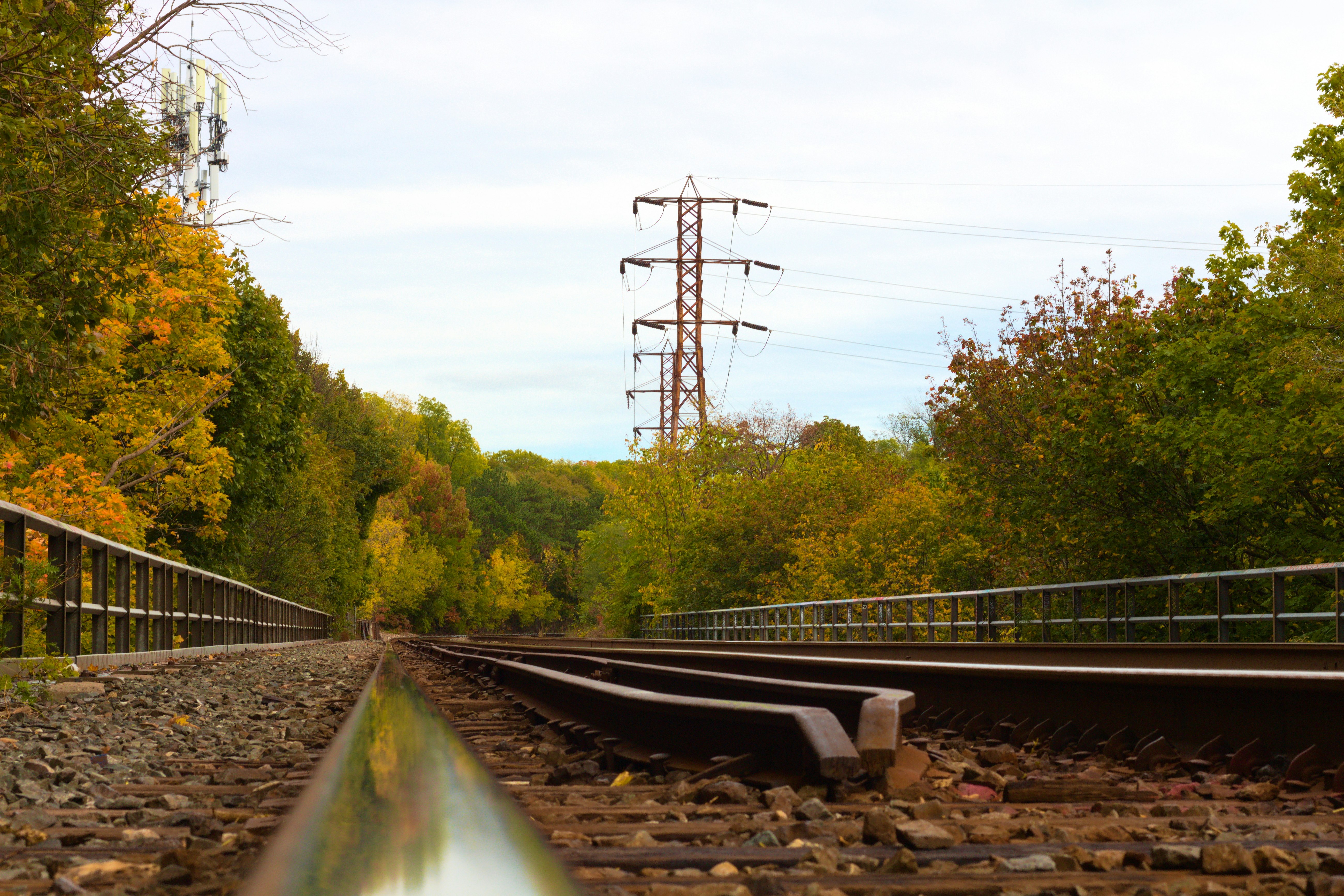
Autumn is the peak. If you ride this trail once a year, ride it in October. The maples along the ravine walls go full red and gold, and on a still morning the fallen leaves line the path like a carpet. It's the kind of beauty that makes you ride slower on purpose.
Winter is possible but requires caution. The paved surface gets cleared reasonably well, but the sections under the underpasses can be icy — especially where meltwater pools and refreezes. Fat tires or studded tires help. Fewer people out here in winter, which has its own appeal. The bare trees open up sightlines you don't get the rest of the year.